


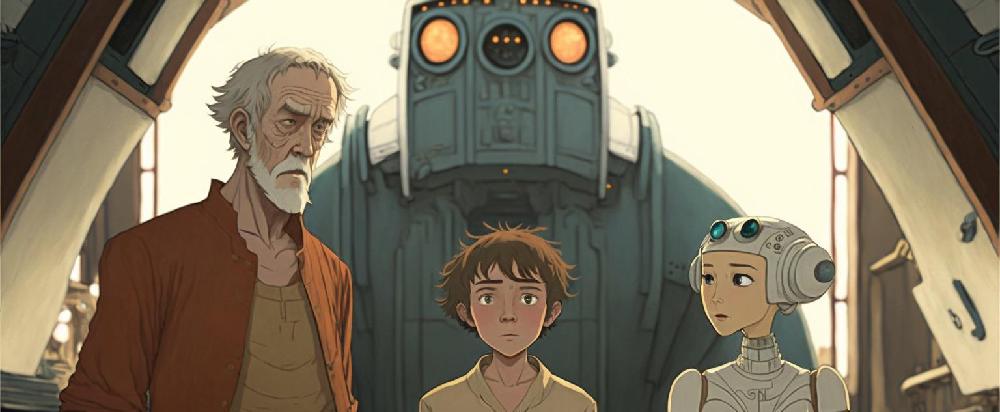
San Francisco, March 26, 2025 — OpenAI’s latest enhancement to GPT-4o has taken the internet by storm, enabling users to generate high-quality images in the iconic style of Studio Ghibli. The rollout of this feature, part of OpenAI’s upgraded image generation technology within ChatGPT, has resulted in a flood of social media posts where users are sharing AI-generated illustrations resembling scenes from beloved Ghibli classics like “Spirited Away”, “My Neighbor Totoro”, and “The Boy and the Heron.”
GPT-4o’s Natively Multimodal Image Generation
Launched on Tuesday, OpenAI’s new feature integrates a natively multimodal model capable of producing photorealistic and stylized outputs with remarkable precision. Users can now generate custom images through natural conversation with ChatGPT, specifying details such as characters, backgrounds, and stylistic nuances inspired by renowned animation houses like Studio Ghibli.
Sam Altman Joins the Ghibli Craze
Sam Altman, CEO of OpenAI, acknowledged the viral trend in a humorous post on X (formerly Twitter), where he shared his own AI-generated Ghibli-style portrait. Reflecting on the sudden surge of attention, Altman quipped:
“> be me / > grind for a decade trying to help make superintelligence to cure cancer or whatever / > mostly no one cares for first 7.5 years, then for 2.5 years everyone hates you for everything / > wake up one day to hundreds of messages: ‘look I made you into a twink Ghibli style haha.’”
Altman also updated his profile picture to a Ghibli-inspired image, further fueling the online frenzy.
Studio Ghibli’s Reaction: A Divided Perspective
Despite the excitement, Studio Ghibli has maintained a reserved stance on AI-generated art. Hayao Miyazaki, the revered co-founder of Studio Ghibli, has long expressed disapproval of AI in animation. In a widely publicized 2016 meeting where he was shown an AI animation demo, Miyazaki condemned the technology, stating:
“I am utterly disgusted. If you really want to make creepy stuff you can go ahead and do it. I would never wish to incorporate this technology into my work at all.”
Miyazaki’s concerns highlight a broader ethical debate on the use of AI in creative industries, where the tension between technological innovation and artistic integrity continues to grow.
Copyright Concerns and Legal Ramifications
The rise of AI-generated art in established styles, such as that of Studio Ghibli, has reignited legal debates over intellectual property rights. Hollywood creatives and content producers have raised alarms over potential exploitation of copyrighted works by AI systems.
Earlier this month, more than 400 filmmakers, actors, and musicians filed objections with the U.S. Office of Science and Technology Policy (OSTP), criticizing OpenAI and Google for allegedly lobbying to weaken protections on copyrighted materials used to train AI models.
Adding to the controversy, a federal judge recently allowed The New York Times and other media organizations to proceed with a copyright lawsuit against OpenAI and Microsoft, arguing that their content was being used to train models like ChatGPT without appropriate compensation.
Ethical AI and Future Implications
As AI-generated images become more lifelike and culturally resonant, questions surrounding ethics, attribution, and consent remain unresolved. OpenAI has reiterated its commitment to using publicly available data while respecting fair use laws, but industry stakeholders continue to push for greater transparency and accountability.
Altman emphasized OpenAI’s willingness to adapt to societal feedback, stating:
“We think putting this intellectual freedom and control in the hands of users is the right thing to do, but we will observe how it goes and listen to society.”
What’s Next?
With GPT-4o’s advanced image capabilities expanding creative boundaries, OpenAI has positioned itself as a frontrunner in the AI art revolution. As the debate around AI’s impact on the arts intensifies, it remains to be seen how regulators, industry leaders, and creatives will navigate the intersection of innovation and intellectual property.



Leave a comment